

Can You Take Berberine with Ozempic? Safety, Benefits, and What Research Says
Quick Answer
Berberine and Ozempic work in different ways but are both associated with metabolic health and blood sugar management. While some people consider taking them together, there is currently limited research on their combined use. Anyone using Ozempic should speak with a healthcare professional before adding berberine or any supplement to their routine.
Key Takeaways
- Berberine is a natural plant compound studied for its potential role in metabolic health, including blood sugar and insulin sensitivity.
- Ozempic (semaglutide) is a prescription medication that works through the GLP-1 pathway to support blood sugar control and appetite regulation.
- Both may influence glucose metabolism, so combining them requires professional guidance.
- Research on using berberine and Ozempic together is still developing.
Why Are People Comparing Berberine and Ozempic?
The interest in berberine and Ozempic has increased significantly as more people search for effective approaches to weight management and metabolic wellness. Ozempic has gained attention because of its role in supporting blood sugar management and its association with weight loss, while berberine has become popular as a natural supplement option due to research exploring its effects on metabolism.
This has led many people to ask questions such as:
Can you take berberine with Ozempic?
Is berberine similar to Ozempic?
Can combining them improve weight loss results?
These questions are understandable, but the answer is not as simple as combining two products with similar goals. Berberine and Ozempic are very different substances with different mechanisms of action, safety considerations, and levels of clinical evidence.
Understanding how each one works is the first step in making informed decisions about metabolic health.
What Is Berberine and How Does It Work?
Berberine is a naturally occurring compound found in several plants, including species from the Berberis family. It has been used traditionally in herbal practices and has gained attention in modern research because of its potential effects on metabolic processes.
Studies have explored berberine's relationship with several areas of health, particularly glucose metabolism, insulin sensitivity, and lipid balance. One of the key mechanisms researchers have studied is berberine's ability to activate AMP-activated protein kinase (AMPK), an enzyme involved in cellular energy regulation.
AMPK plays an important role in how the body manages energy by influencing processes related to glucose uptake and fat metabolism. Because of this, researchers have investigated whether berberine may support healthy metabolic function when combined with lifestyle habits such as balanced nutrition and regular physical activity.
However, it is important to understand that berberine is a dietary supplement, not a prescription medication. While research shows promising results, individual responses can vary, and supplements should not replace medical advice or prescribed treatments.
What Is Ozempic and How Does It Work?
Ozempic contains the active ingredient semaglutide, which belongs to a group of medicines called GLP-1 receptor agonists. It is primarily prescribed to help adults with type 2 diabetes manage blood sugar levels under medical supervision.
Semaglutide works by acting similarly to a natural hormone called glucagon-like peptide-1 (GLP-1), which plays a role in appetite regulation and blood glucose control. By activating GLP-1 receptors, Ozempic may help the body release insulin when blood sugar levels are elevated, slow digestion, and increase feelings of fullness.
Because of these effects, semaglutide-based medications have received significant attention for their role in weight management. However, Ozempic is a prescription medication and should only be used according to guidance from a qualified healthcare professional.
Are Berberine and Ozempic Similar?
Although berberine and Ozempic are often discussed together online, they are not the same and should not be considered interchangeable.
The main similarity is that both have been studied in relation to metabolic health. However, they work through different biological pathways.
Berberine is mainly researched for its potential effects on pathways related to glucose metabolism, insulin sensitivity, and energy balance. Ozempic works by mimicking GLP-1, a hormone naturally produced in the body that helps regulate appetite and blood sugar.
Because their mechanisms are different, it is inaccurate to describe berberine as a natural version of Ozempic. They may share some areas of interest, but the amount and type of clinical evidence available for each are different.
Ozempic has undergone extensive clinical trials for specific medical uses, while research on berberine continues to develop, particularly around metabolic health and supplementation.
Can You Take Berberine with Ozempic?
This is one of the most common questions people ask, but there is currently no universal answer.
Some individuals may consider combining berberine with Ozempic because both are associated with blood sugar regulation and weight management. However, there is limited clinical research specifically examining the safety, effectiveness, or long-term outcomes of using both together.
The main concern is that both may influence glucose levels. For some people, combining multiple products that affect blood sugar could potentially increase the risk of unwanted effects, especially if they are also taking other medications for diabetes or metabolic conditions.
Before adding berberine while using Ozempic, it is important to discuss your situation with a healthcare professional. They can consider factors such as your current medications, health history, blood sugar levels, and overall wellness goals.
What Should You Consider Before Combining Berberine and Ozempic?
A person's health needs are unique, which means supplement decisions should always be personalized. Someone who is taking Ozempic for type 2 diabetes may have different considerations compared with someone using semaglutide for weight management.
Factors that may need to be discussed with a healthcare professional include your current medication routine, history of blood sugar fluctuations, digestive health, and whether you have any underlying medical conditions.
It is also important to remember that supplements are not automatically risk-free because they are natural. Berberine can affect the way the body processes certain substances, and it may interact with some medications.
A healthcare professional can help determine whether adding a supplement such as berberine is appropriate for your individual circumstances.
Potential Benefits of Berberine and Ozempic for Metabolic Health
Berberine and Ozempic have gained attention because both are connected with metabolic health, but they support the body through different mechanisms. Understanding these differences is important before considering whether they may fit into an individual's wellness routine.
Berberine has been researched for its potential role in supporting insulin sensitivity, glucose metabolism, and healthy cholesterol levels. Some studies suggest that berberine may influence metabolic pathways involved in how the body processes energy. When combined with healthy lifestyle choices, such as a balanced diet and regular movement, berberine may support overall metabolic wellness.
Ozempic, on the other hand, is a prescription medication designed for specific medical purposes. By activating GLP-1 receptors, it helps regulate blood sugar levels and may support appetite control. Its use is monitored by healthcare professionals because dosage, suitability, and safety depend on an individual's health profile.
Although both are associated with metabolic health, it is important not to assume that taking them together will automatically provide additional benefits. More research is needed to understand whether combining berberine and Ozempic offers advantages compared with using either approach separately.
Are There Any Risks of Taking Berberine with Ozempic?
Because berberine and Ozempic may both influence metabolic processes, combining them requires careful consideration.
One possible concern is their effect on blood sugar levels. Individuals using Ozempic, especially those who also take other diabetes medications, may need to monitor their glucose levels carefully when introducing additional supplements.
Some people may also experience digestive-related effects. Ozempic can cause side effects such as nausea, changes in bowel habits, or reduced appetite. Berberine may also cause digestive discomfort for some individuals, particularly when first introduced. Taking both together may increase the likelihood of experiencing gastrointestinal symptoms in sensitive individuals.
Another important consideration is medication interactions. Berberine may affect how certain medications are processed in the body, which means it may not be suitable for everyone. People taking prescription medicines should always discuss supplement use with a healthcare professional before making changes.
The goal should not be to combine multiple products simply because they are associated with weight loss or metabolic health. A personalised approach based on individual needs and medical guidance is always the safest option.
Who Should Be Careful Before Taking Berberine with Ozempic?
While berberine is widely available as a supplement, it is not suitable for everyone. Extra caution is important for individuals with specific health conditions or medication requirements.
People who are pregnant, breastfeeding, managing chronic health conditions, or taking prescription medications should speak with a healthcare professional before using berberine.
Similarly, anyone using Ozempic should avoid making changes to their treatment plan without discussing it with their doctor or healthcare provider.
A healthcare professional can help evaluate whether berberine is appropriate based on factors such as current medications, health history, blood sugar management goals, and overall wellness needs.
How to Support Your Weight Management Journey Safely
Whether someone is using Ozempic, considering berberine, or focusing on lifestyle-based approaches, long-term results are usually supported by consistent healthy habits.
Supplements can play a supporting role, but they work best alongside a balanced approach that includes nutritious food choices, regular physical activity, quality sleep, and stress management.
For individuals interested in natural supplements, choosing products with clearly listed ingredients, transparent information, and responsible manufacturing practices is important. Understanding what a supplement contains and how it fits into an overall wellness routine can help people make more informed decisions.
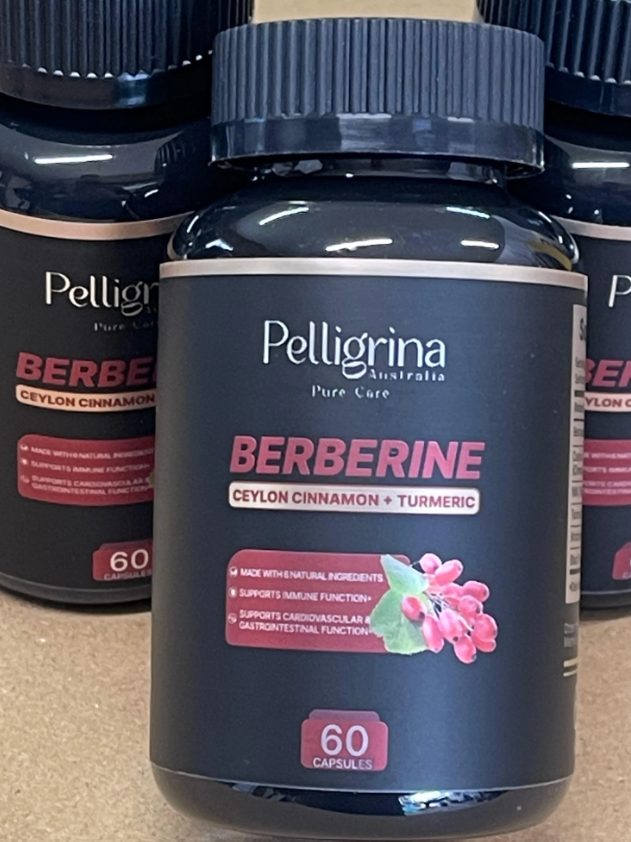
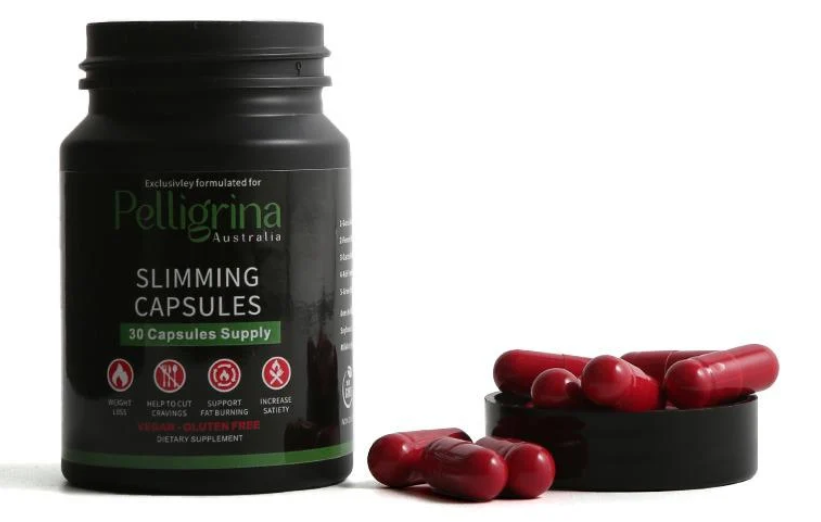
Pelligrina Berberine Ceylon Cinnamon Turmeric Capsules combine berberine with ingredients traditionally researched for their potential role in supporting metabolic wellness. However, supplements should always be considered as part of a healthy lifestyle rather than a replacement for medical treatments or professional healthcare advice.
Final Thoughts: Should You Take Berberine with Ozempic?
Berberine and Ozempic are two very different approaches that have gained attention for their connection with metabolic health and weight management. While both may support certain aspects of wellness, they work through different pathways and should not be considered interchangeable.
At this time, research on combining berberine and Ozempic is limited. Anyone considering using both should first consult a healthcare professional, particularly if they have diabetes, take other medications, or have existing health conditions.
The most effective approach to long-term metabolic health involves making informed decisions based on reliable information, professional guidance, and sustainable lifestyle habits.
FAQs
Can you take berberine and Ozempic at the same time?
There is limited research available on combining berberine and Ozempic. Some people may consider using both, but it is important to consult a healthcare professional first to understand potential risks and whether it is suitable for your individual situation.
Is berberine the same as Ozempic?
No. Berberine is a natural plant compound available as a dietary supplement, while Ozempic contains semaglutide, a prescription medication that works as a GLP-1 receptor agonist. They have different mechanisms of action and levels of clinical evidence.
Does berberine work like Ozempic for weight loss?
Berberine and Ozempic may both be discussed in relation to weight management, but they work differently. Ozempic has been extensively studied in clinical trials, while research on berberine is still developing.
Can berberine lower blood sugar?
Research suggests that berberine may support healthy blood sugar regulation and insulin sensitivity. However, its effects can vary, and individuals managing blood sugar conditions should seek professional advice before using it.
How long does berberine take to work?
The time needed to notice changes may vary depending on factors such as diet, lifestyle, dosage, and individual response. Some people may notice changes within several weeks, while others may require longer.
Can I take berberine if I have diabetes?
People with diabetes should speak with a healthcare professional before taking berberine, especially if they are already using medications that affect blood sugar levels.
Is berberine safe for daily use?
Berberine is commonly used as a supplement, but daily use may not be suitable for everyone. Factors such as health conditions, medications, and individual needs should be considered.
Does berberine help with appetite control?
Some research has explored berberine's role in metabolic pathways related to weight management, but it should not be considered an appetite-control medication similar to prescription treatments.
Can I take berberine without Ozempic?
Yes, some people use berberine as a standalone supplement to support metabolic health. However, results vary, and healthy lifestyle habits remain important.
Should I ask my doctor before taking berberine?
Yes. Consulting a healthcare professional is especially important if you take prescription medications, have a medical condition, are pregnant, or are using Ozempic.
Related post
31
Jul